
Slow Shopping
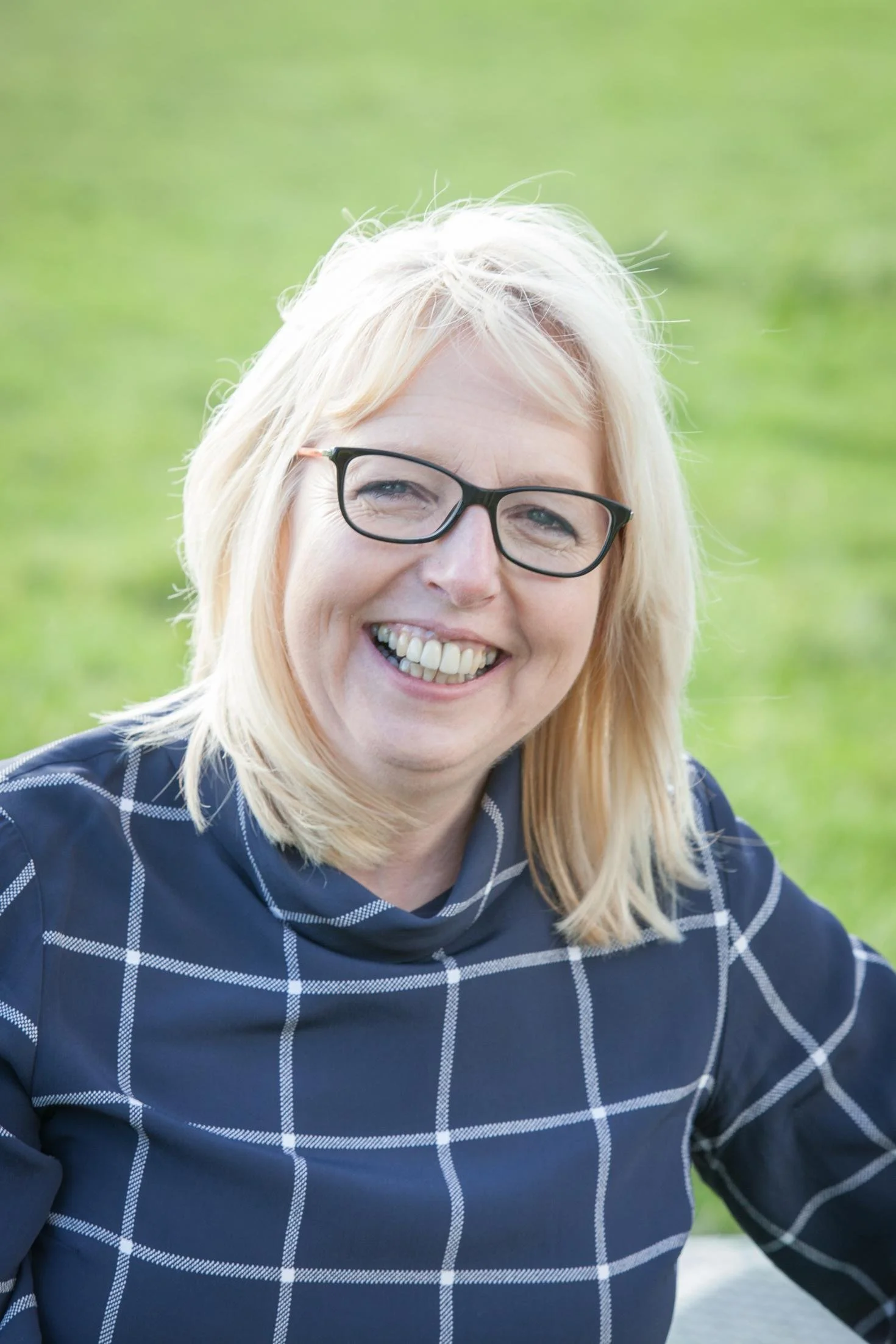
Katherine Vero
My mum had dementia for many years. In fact, I think she had it well before I really knew. Her behaviour could be a bit odd sometimes. I used to go out with her shopping and it became a more and more stressful experience both for her and for me. She became increasingly separated from the ‘real’ world and I was trying to mediate between my mother and the staff in the shop, who were not always understanding. I also had my own feelings of distress. I used to wonder if there was a way to help us in our experience of shopping.
The Idea of Slow Shopping
I came up with the idea of Slow Shopping, providing a welcoming and safe environment for anyone who needed to take more time to do their shopping. Slow Shopping is inclusive and caters for those who suffer from anxiety or mental illness, those who struggle with communication or literacy, the elderly, those with dementia, and anyone with visible, invisible, or intellectual disabilities. Slow Shopping advocates dedicated times within the week where store staff are aware of the particular needs of their shoppers and allows them time and space. Chairs are available as well as help points in the store. Customers are not identified as having additional needs and there are no specialist aisles or separation which can be a source of stress.
Launching the Pilot
Last November, I took the plunge and rang my local supermarket to ask if they would discuss the idea with me. I also contacted SOUP Newcastle to share my idea. The response since then has been overwhelming. The store is Sainsbury’s in Gosforth and they agreed to let me pilot the idea on a Tuesday afternoon for a three-month period. That week, I spoke at Newcastle SOUP, received £128 as seed capital for my project, and met some amazing, creative, and generous people.
How the Pilot Works
The pilot started on November 24th, 2015, and I have been running it every Tuesday from 1pm – 3pm to welcome or inform customers of what Slow Shopping is. There are chairs in the store, samples of food to try, staff are aware that customers may have additional needs, and there are various help points in the store. The number of regular customers who come to talk to me has increased and I have learned so much from listening to them about their experiences. Key to the concept is that no one has to identify themselves as having additional needs unless they choose to. The staff have been trained to develop their awareness and responsiveness to the individual customer and there is no judgement of what someone may or may not need. I really enjoy the time I spend in the store.
Measurable Impact
The store has measured figures during the three-month pilot and found that footfall has increased by over 10%, staff engagement has measurably increased, and customer recognition of the store has also improved. The manager has noted how many people tell us about their specialist dietary requirements and has started stocking more “Free From” ranges as a direct response.
Expanding the Concept
Sainsbury’s now want to pilot Slow Shopping in three more stores. I am so excited to be able to support and encourage people who may find shopping a difficult challenge. It is a legacy from my mum and it means so much to me.
How You Can Help
If you can help in any way, I would be most grateful. Do you know anyone or represent an organisation that might benefit from Slow Shopping? Are you a retailer or trader that might want to pilot Slow Shopping? Do you have skills, time, or expertise that could help? Please contact me at Katherine@slowshopping.org.uk or call 0191 284 0238 or 07967 002589.
