Preparing SMEs for Flood Risk: Do you have a Plan B?
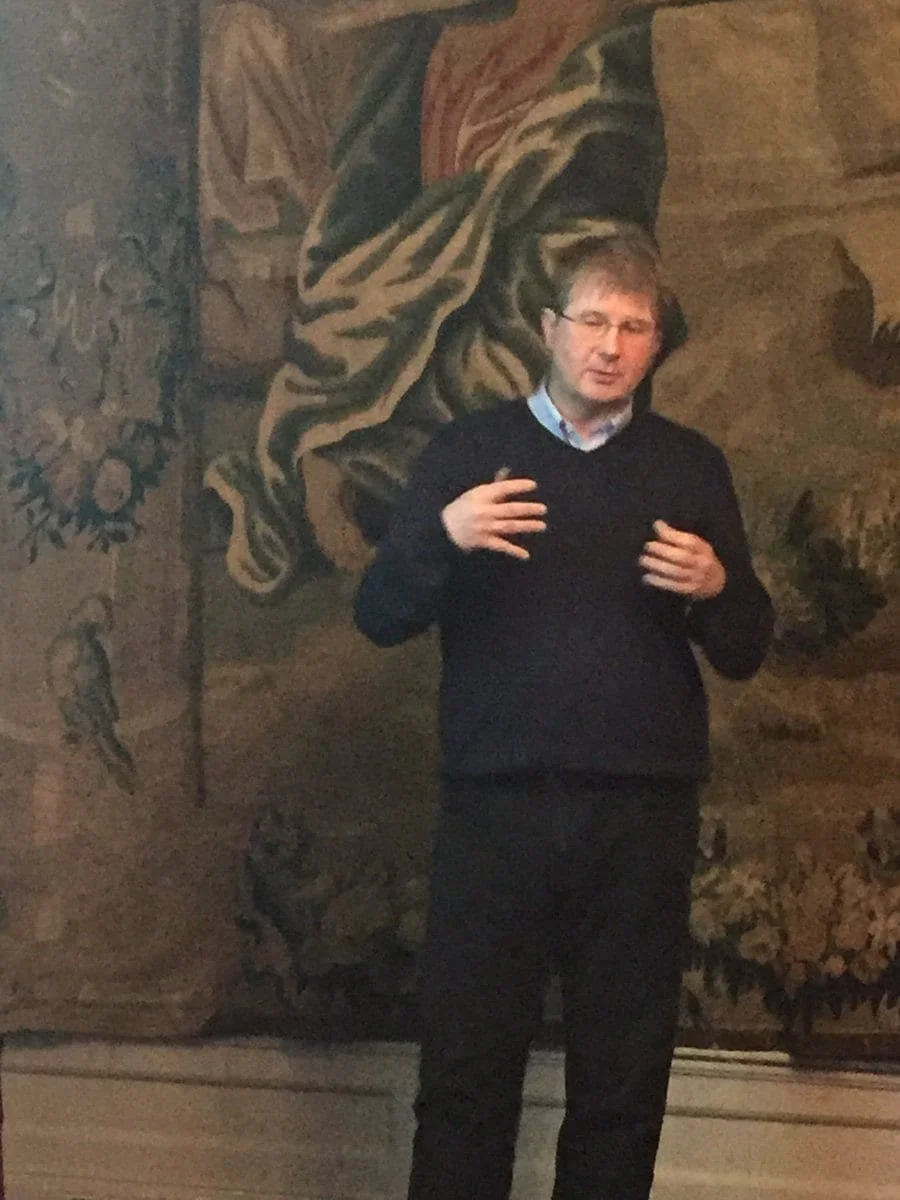
Two weeks ago, I spent an interesting day with the Institute of Hazard Risk and Resilience at Durham University, listening to a series of presentations outlining staff and students' current research projects and interests.
Insights from the SESAME Project
Of particular interest to me and our clients was the presentation by Dr Graham Coates, providing an update on the SESAME project. This project examines SMEs and their attitude to flood risk both pre- and post-loss. It provides real-life examples of flood losses and impacts and explores how businesses deal with the aftermath. Critically, the project also looked at how businesses would prepare for similar events in the future.
Preparing for Extreme Weather
With extreme weather events becoming more prevalent in the UK, the key message I took away from the day with IHRR is that businesses need to be prepared for flooding. This includes assessing the potential risks, and considering risk management and mitigation strategies.
Business Continuity Planning
Organisations need to draw up business continuity plans to prepare their staff for major losses such as floods and storms. A good way to begin this process is to get in touch with your local authority's resilience or emergency planning team. Local authorities have a statutory duty to promote business continuity management by providing advice to businesses and voluntary organisations.
You can contact Gateshead's Emergency Planning Team here or Resilient Newcastle here.
Insurance and Contingency Planning
Organisations should ensure that they understand the flood insurance they have in place, including notification procedures. It is also beneficial if contingency plans are drawn up in partnership with your insurer’s risk improvement surveyors so that any actions taken do not prejudice claims.
Insurance brokers are ideally placed to coordinate these activities and signpost clients to resources and professionals who can help organisations draw up coherent contingency plans for flooding. If you think your organisation would benefit from this kind of help, please get in touch.