Home Maintenance to Avoid Costly Insurance Claims
Guest Blog by Restoration UK
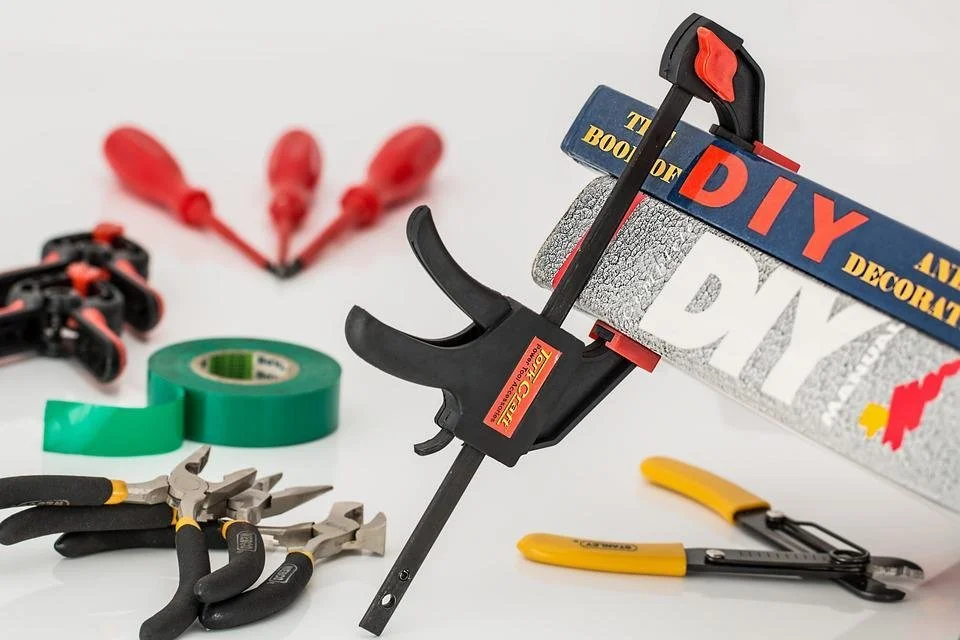
House insurance can help you feel secure in your home, knowing that you’re covered should anything go wrong. However, insurance alone is not enough to protect your home. Wear and tear is not covered by insurance, as property should be adequately maintained, so having a sensible home maintenance schedule is essential.
If you neglect your home, you could face problems from rot, damp, and mould – and if you ignore these problems, they could lead to structural issues. Leaks can cause costly damage too, and that’s before you consider the health risks of damp. These tips will help you keep your home well maintained and avoid expensive insurance claims.
Check Rainwater Goods
Blocked guttering and loose pipes can lead to leaks. Make sure your rainwater goods are well maintained. Remove any vegetation that has fallen into your gutters or started growing there. Look for signs of leaks around your pipes, such as staining on the walls, which can also be caused by salts, and fix anything that’s loose.
Look After Your Pipes
Burst pipes cause many insurance claims, but a little care will save a lot of repair costs. Any pipes and taps that are exposed to the cold should be protected with foam tubes that match the size of your pipes, secured with adhesive tape or cable ties. Join the foam tubes at corners by cutting at a 45-degree angle. Lag pipes in your loft, garage, unheated rooms, and along external walls.
Leaving your heating on low when you’re away will also help avoid the nightmare of a burst pipe and reduce the risk of damp. If you know you’ll be away for an extended period, turn the water off at the stopcock and consider draining the system to ensure there is no water left in the pipes to freeze.
Check Your Insulation
In addition to lagging your pipes, insulate water tanks in unheated areas such as garages and lofts. Make sure your loft insulation is thick and in good condition. Run insulation over your pipework where possible.
Think About Airflow
Air circulation is essential to avoid damp. Ensure your cupboards aren’t overfilled and leave a gap between furniture and the wall. In cold weather, leave your loft trap door open to allow warm air to circulate. You may also want to consider installing ventilators, particularly if you have issues with damp.
Avoid Rot
Condensation is a common problem that can lead to damp and rot, as can rain penetration and rising damp. Check window and door frames for any sign of rot and fix it promptly using recommended repair methods.
Home Maintenance Matters
Home maintenance is an essential part of home ownership. If you rent, you are still expected to keep your home in good repair, though your landlord may be responsible for carrying out work. However, you still need to inform your landlord about anything that needs attention.
With a little care, you can limit costly insurance claims and keep your home protected.
This blog post was provided by Restoration UK, who have been providing expert advice on property renovation, conversion, and restoration for over 20 years. For more home maintenance tips, along with advice on dealing with damp and mould, visit the Restoration UK blog. If you require further information, contact Restoration UK on 01509 217 750.
Any advice or information in this blog is general advice only. It does not take into account your personal circumstances: please do not take action based solely on this information.