Building Resilience: How to Strengthen Yourself and Your Team
Guest blogger Julie Johnson runs the Success Club, building a community of female leaders and founders. She delivers leadership programmes specifically for females in the third sector, covering the themes of Personal Leadership (including resilience), External Stakeholder Development, and Organisation/Team Development. Her next programme starts on 12th February 2020. For details click here. Alternatively, you can connect with Julie via her website or email.
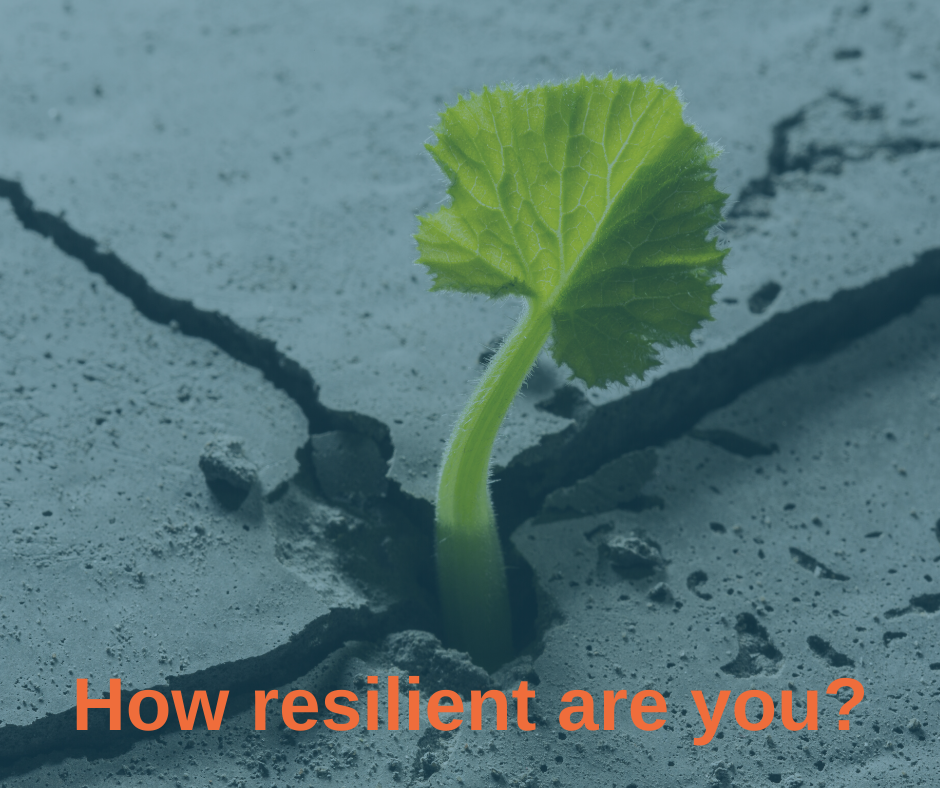
Resilience has become a buzzword in recent years — for both individuals and managers at work, and for the organisations they work in. For third sector organisations in particular, often working with clients/service users in the areas of emotional, mental, or social wellbeing, it’s so important for staff to understand and model resilience through their own personal practice as well as through organisational leadership.
What is Resilience?
Resilience is often defined as:
The capacity to recover quickly from difficulties; toughness
The ability of a substance or object to spring back to shape; elasticity
Personally, Julie loves Ann Menston’s (developmental psychologist) definition of resilience as “Ordinary Magic”, meaning it’s ordinary, not extraordinary. People commonly demonstrate it. Think of any large group of people who’ve suffered a tragedy or misfortune, and how they rebuild their lives.
Resilience isn’t usually the result of a dramatic event — it’s everyday actions, like paying attention to what you’re thinking or feeling, or looking after yourself. These small actions can lead to increased wellbeing — the magic of resilience.
Developing Your Individual Resilience
There are different approaches to individual and organisational resilience, but this section focuses on you as an individual.
Understanding and Clarifying Resilience
It starts with understanding what resilience is and why it’s important.
We are naturally resilient. As babies, we learn to walk and talk through constant trial and error, setbacks, and challenges — yet we keep going with support from adults. We bounce back repeatedly, without assigning negative meanings to setbacks.
As we grow, we often attach negative meanings to setbacks, creating habitual thought patterns, beliefs, and expectations. These dictate our behaviour. The good news is that we can learn these thought patterns and beliefs, and we can also unlearn them.
Feeling and being resilient allows you to cope with life’s challenges and focus on the present while creating a better future.
3 Recommendations to Build Resilience
1. Know the Bigger Picture
Your purpose, vision, or intention for your life and work matters. Clarity about why you do your work, how you fit within your organisation’s mission, and how your performance is measured helps you develop resilience.
Reflections:
Where am I unclear about my work, where I fit, or how my performance is measured?
What actions can I take to get clarity?
Who can I talk to about this? Who will support me?
2. Explore What Stresses You
Identify stressors and triggers in your life. Challenges are inevitable — too much to do, not enough time, difficult colleagues, or clients. Understanding these triggers and developing coping strategies helps you build resilience.
Reflections:
What do I generally get stressed about?
Which parts of my job or working patterns cause me stress?
How do I cope with stress right now? What works well, what doesn’t?
What strategies might work better? (Deep breathing, walking away, imagining positive outcomes, taking a break)
How can I act on these strategies when needed? (Phone alerts, short routines)
3. Pay Attention to What You Think, Feel, Say, and Do
Observe yourself without judgment. Notice your inner voice — is it positive or negative, helpful or unhelpful?
Reflections:
How do I usually talk, think, and feel about stress and overwhelm?
How do I respond to misfortune, problems, or unexpected events?
What thoughts and feelings have I noticed while reading this?
Takeaways
Developing resilience isn’t about extraordinary acts — it’s about cultivating everyday habits that help you respond to challenges more effectively. By understanding your purpose, managing stress, and observing your thoughts and behaviours, you can become a role model for others — your team, colleagues, and clients/service users.
Julie Johnson runs the Success Club, building a community of female leaders and founders. She delivers leadership programmes specifically for females in the third sector, covering Personal Leadership (including resilience), External Stakeholder Development, and Organisation/Team Development. Her next programme starts on 12th February 2020. For details click here. Alternatively, you can connect with Julie via her website or email.