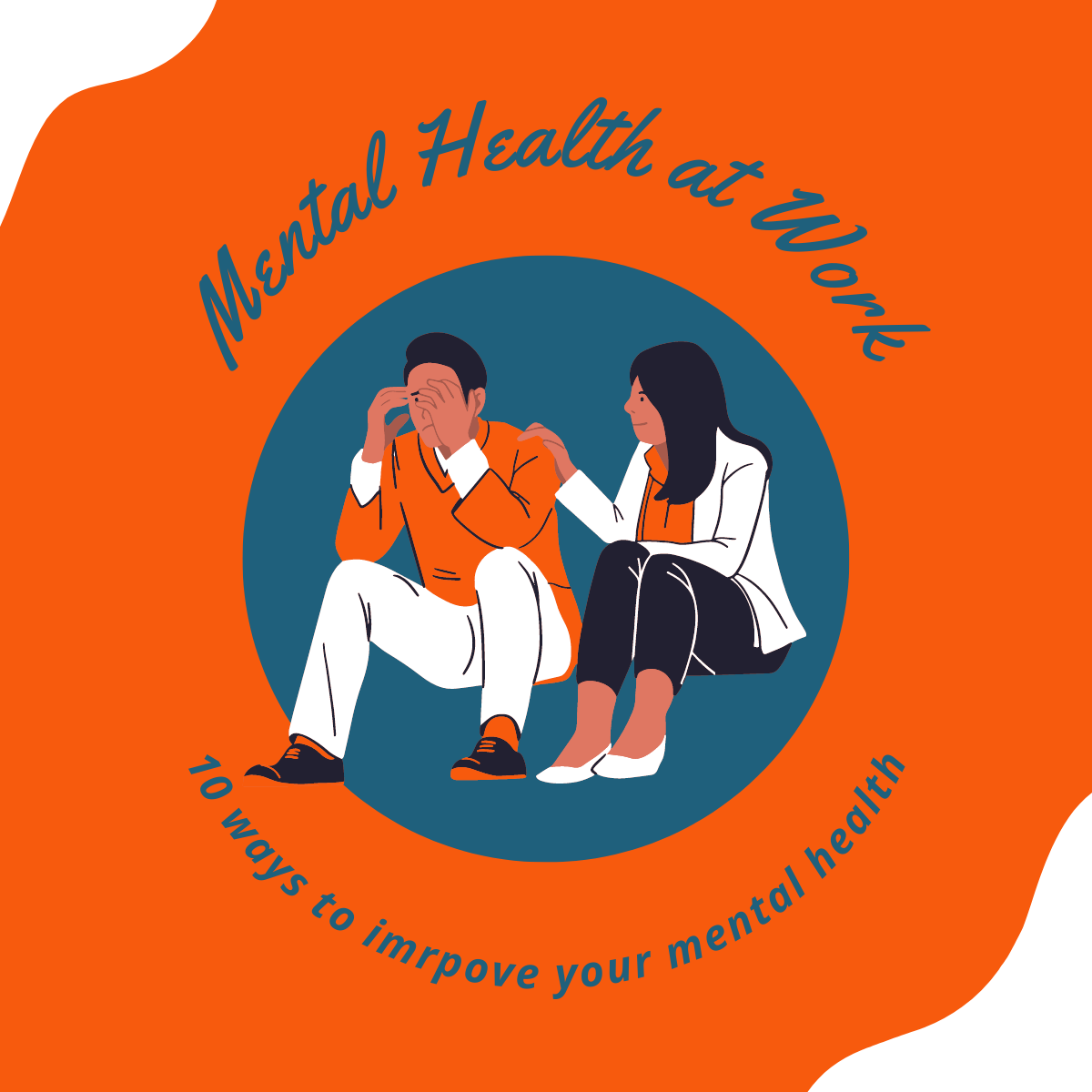
10 Ways To Support Mental Health at Work
This series of blogs is developed from the leaflet How to Support Mental Health at Work provided by the Mental Health Foundation. The aim is to encourage you to think more about mental health in the workplace and inform you of practical steps to create an environment where staff feel safe and supported.
Having a fulfilling job can be good for your mental health and general well-being. For most of us, work is a huge part of our lives. It is where we spend a lot of our time, where we get our income and often where we make our friends.
We all have times when life gets on top of us – sometimes that’s work-related, like deadlines or travel. Sometimes it’s something else – our health, our relationships, or our circumstances.
It’s vital that we protect that value by addressing mental health at work for those with existing issues, for those at risk, and for the workforce as a whole. A toxic work environment can be corrosive to our mental health.
After reading these blogs you should have an idea of how to manage your own mental health at work, how to reach out to a colleague in distress, and how you can work with others to make your workplace more mentally healthy for everyone.
Check out the other blogs in the series:
10 Proven Strategies for Better Mental Health
1. Talk About Your Feelings
Talking about your feelings can help you deal with difficult emotions and preserve your mental health. Speaking about emotions is not a sign of weakness, but a necessary step in taking responsibility for your well-being. At work, choose supportive people you feel comfortable with, and remember it may inspire others to open up too.
2. Keep Active
Regular exercise improves mood, focus, sleep, and overall well-being. Aim for 30 minutes of activity five days a week. This doesn’t have to be the gym — walking at lunch, cycling to work, or stretching before bed all count.
3. Eat Well
A balanced diet impacts both physical and mental health. Plan meals, drink water, and try to eat away from your desk. Reduce refined sugar and caffeine during stressful times and keep healthy snacks like fruit or nuts on hand.
4. Drink Sensibly
Alcohol may lift your mood temporarily, but it can worsen anxiety and stress. Be cautious at work-related social events where drinking is encouraged. Try not to rely on alcohol as a coping strategy.
5. Keep in Touch
Strong social connections are vital for mental health. A supportive team can improve workplace well-being, but maintaining friendships and family ties outside work is just as important. Balance both professional and personal relationships.
6. Ask for Help
We all need help at times. Employee assistance programmes, HR teams, occupational health, and GPs can provide confidential support. Don’t hesitate to reach out if you’re struggling.
7. Take a Break
Breaks are essential for mental health. A five-minute pause, a full lunch away from your desk, or a holiday can help you recharge. Protect your sleep and plan regular time off throughout the year.
8. Do Something You’re Good At
Engaging in activities you enjoy and excel at reduces stress and builds confidence. Whether it’s a hobby, a workplace skill, or a personal passion, doing something you’re good at can lift your mood and remind you of your strengths.
9. Accept Who You Are
We’re all unique. Embracing your individuality and focusing on your strengths helps build resilience and self-confidence. Avoid unrealistic comparisons and work on gradual improvements if there are things you’d like to change.
10. Care for Others
Caring for others strengthens relationships and builds self-esteem. Supporting colleagues, volunteering, or balancing care responsibilities at home can all provide meaning and connection. Workplaces that support carers with flexible policies often see better well-being and productivity.
Final Thought
We can all take action to strengthen our resilience and mental health. By practising these strategies, you’ll not only improve your own well-being but also contribute to a healthier workplace for everyone.
Access the full guide on supporting mental health at work here and see NIG Risk Assist for more information on health & safety at work.