5 Biggest Cyber Security Threats Facing SMEs (and How to Stop Them)
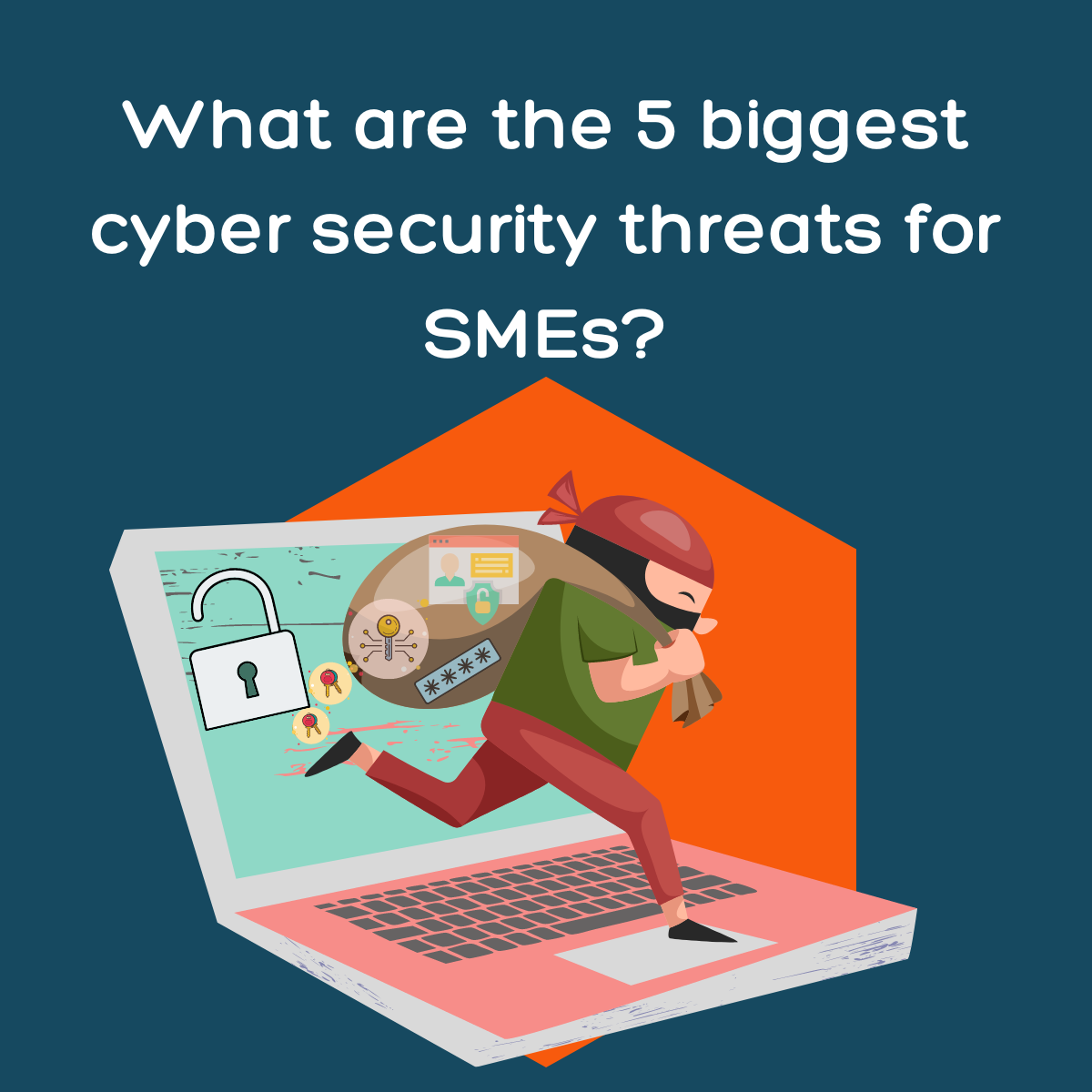
There’s a misconception that small businesses are unlikely to be targeted by cyberattacks compared to large enterprises, but this just isn’t true. Attackers can target hundreds of small businesses at once, and SMEs often lack the same technological defences, time, money, and resources as bigger organisations.
Here are the five biggest cyber security threats facing SMEs today—and how to protect against them.
1. Malware Attacks
Malware includes viruses, trojans, and other malicious code written to infiltrate networks, steal data, or damage systems. Attacks can arrive through spam emails, compromised devices, or malicious downloads.
Risks for SMEs:
Disabled devices requiring costly repairs
Loss of sensitive staff or client data
Higher risks from employees using personal devices at work
How to protect:
Use Endpoint Protection tools for centralised device monitoring (Top Endpoint Protection Solutions)
Block access to harmful websites with Web Security solutions (Top Web Security Vendors)
2. Ransomware
Ransomware encrypts company data, making it inaccessible until a ransom is paid. SMEs are frequent targets—71% of attacks hit small firms—with average ransom demands exceeding $100,000.
How to protect:
Install strong endpoint security with anti-ransomware features
Deploy a reliable cloud backup solution to quickly restore data without paying ransoms
3. Insider Threats
Insider threats come from employees, ex-staff, contractors, or partners with access to sensitive information. Whether malicious or accidental, they account for around 25% of breaches.
How to protect:
Foster a culture of security awareness
Use security training platforms to help staff spot risks (Top Security Awareness Training Platforms)
4. Weak Passwords
Using weak or repeated passwords across accounts is a huge risk. SMEs often use multiple cloud services containing sensitive data, making password security critical.
How to protect:
Adopt business password management tools (Best Business Password Managers)
Implement Multi-Factor Authentication (MFA) for all key accounts (Top MFA Solutions)
5. Phishing Attacks
Phishing accounts for 90% of breaches, costing businesses billions annually. Attackers pose as trusted sources to trick staff into clicking links, downloading files, or giving away credentials.
How to protect:
Install Email Security Gateways (Top Email Security Gateways)
Consider Cloud Email Security solutions (Best Cloud Email Security Solutions)
Deliver Security Awareness Training to help staff recognise and report phishing attempts (Top Security Awareness Training Platforms)