When Travel Plans Unravel: The Financial Risk of Getting Stranded
You Shall Not Go to the Ball!
Or, more likely: the holiday or the business trip.
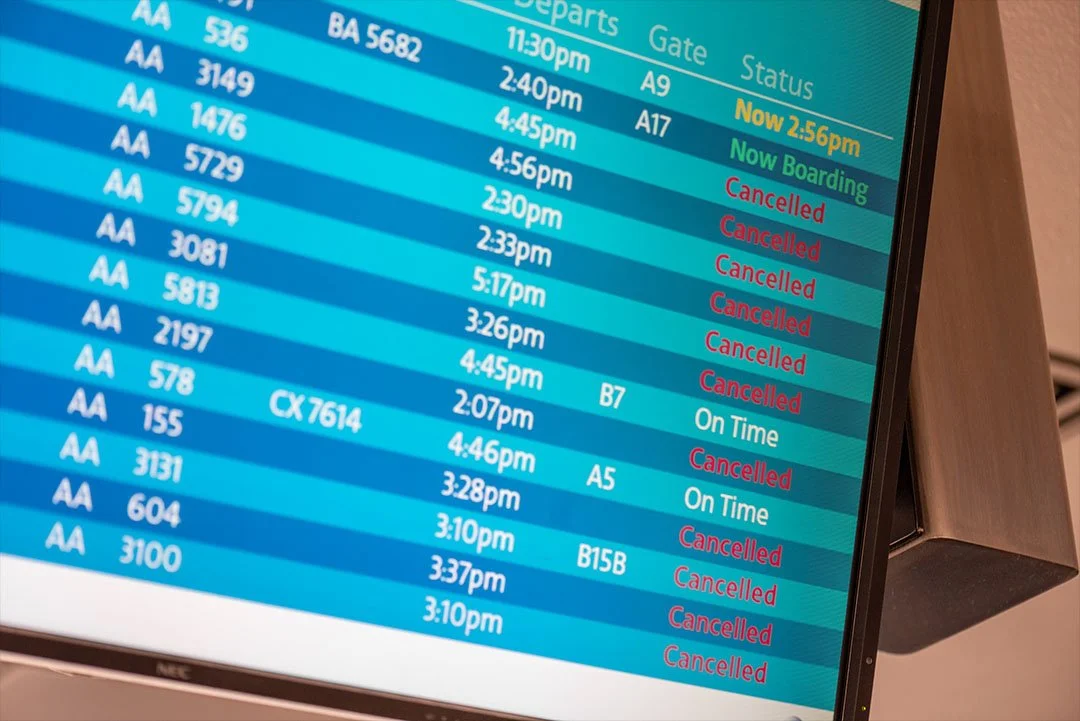
Why International Travel Feels Less Certain Right Now
The world is getting a lot more uncertain. The Russo-Ukrainian war is now into its fourth year, the Middle East has been plunged into conflict again, and fuel prices are climbing higher. For anyone with travel insurance — or without it — these are developments worth paying close attention to.
What That Means for Plans and Budgets
For both businesses and individuals, this is leading to disruption and higher prices. No one likes either of these. It's bad enough if you have to cancel the outward journey — whether that means missing a crucial negotiation or a family wedding — but in some ways those stuck trying to get home can be in an even worse situation.
Real-World Examples: Weddings, Rugby, and Relaxation
I've been talking to friends about their holiday plans lately. Some are going to India for a family wedding, some to Singapore to watch rugby, and some to Dubai just to relax. Very different plans — but what they all now have in common is that they've been either completely scuppered or drastically rearranged by recent world events.
What's Causing the International Travel Disruption?
Fuel costs aside, one of the biggest problems has been disruption to international travel hubs. It is estimated that around 14% of global transit activity typically passes through Middle East airports, making rerouting, reduced capacity, and higher fares a major concern for long-haul travel. Airspace around the region has become more unpredictable, with drones moving through it and the risk of misidentifying civilian aircraft as military targets by air-defence systems — leading to cancelled and redirected flights.
The conflict has also affected fuel prices and availability, arising from disruption around the Strait of Hormuz, with reports of over 13,000 flights cancelled in a short period. Checking the FCDO's foreign travel advice before booking or travelling is more important than ever.
Why the Return Journey Can Be the Bigger Problem
The people I've spoken to are, in one respect, lucky: it was their outward travel that was affected. Things can be much worse if your return flight suddenly disappears. Extra hotel nights, rising fares, and limited seat availability can turn a disruption into an expensive forced stay. Some travellers have reported return flights costing in excess of their travel insurance policy limits — which is a reminder that policy limits matter, not just whether cover exists.
How Travel Insurance Can Protect You
The good news is that while there's not much we can do about the frustration and wasted time, there is a way to protect against the financial loss: the right travel insurance policy.
It's also worth taking the time to think through a contingency plan and ensure you have access to cash. Travel insurers often reimburse costs rather than paying them upfront, so travellers may need funds available in the moment — and claim them back afterwards.
If your employees travel regularly for work, it's worth reviewing whether a group business travel policy is more appropriate than leaving each person to arrange their own cover. Individual policies vary significantly, and gaps only become visible when a claim is made.
Not sure what cover you have in place — or whether it's adequate for current conditions? Get in touch with the team and we'll take a look.