How to Protect Your Place of Work from Water Damage
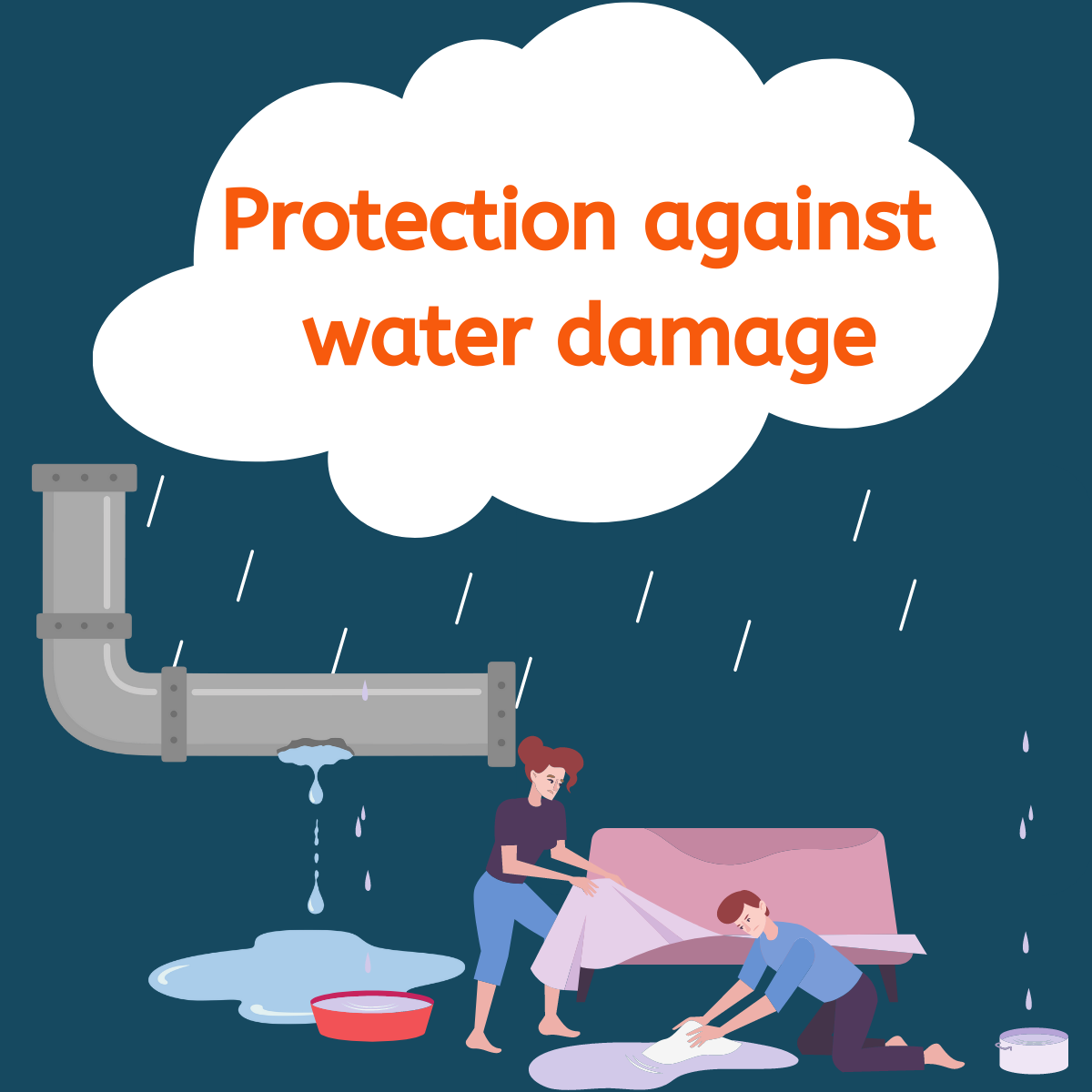
This blog was developed from NIG to give you tips on how to stop water from escaping on your property and how to prevent it from happening. Use this blog to inform your senior members of staff of signs to watch out for to prevent the escape of water.
The Rise of Water Escape Claims
Escape of water claims have risen over the past 15 years, and more than half of business interruption claims are due to water leaks or bursts. Water leaks, whether caused by broken or obstructed pipes, plumbing problems, or both, can seriously harm buildings and give landlords significant challenges.
According to data from the Association of British Insurers, insurers pay out a staggering £930 million in water-related claims each year. While other commercial property claims have decreased recently, escape of water claims have been continuously increasing over the past 15 years.
Common Reasons for Water Escape Claims
Frozen Pipes: Harsh winters in recent years have seen a rise in problems caused by frozen pipes, with 2018 being identified as the UK’s worst year for broken pipes.
Blocked Drain Pipes: Buildup inside pipes can increase pressure and damage seals, allowing water to leak.
DIY Mistakes: Due to a lack of plumbers and increased costs, many homeowners attempt DIY projects, such as installing showers or washing machines, which can lead to leaks.
Problems Caused by Water Escaping
Even small ruptures can release large amounts of water. A claim for a burst pipe typically costs around £9,000, according to the ABI. Water leakage can have a variety of negative effects, including:
Damage to floors, walls, ceilings, and contents
Subsidence if water compromises building foundations
Business interruption and loss of income while repairs are made
Costs of alternative housing or premises
Tips to Help Stop Water from Escaping
Spot Frozen Pipes Early
Ignoring frozen pipes is one of the most frequent mistakes. Pipes should be checked for frost if water flow is reduced, faucets emit cold water, or a strange odour is present (which may indicate blockage). Water can be thawed safely using a space heater or hairdryer in frozen areas.
Insulate Exposed Pipes
Use pipe wrap or insulating tape to protect vulnerable pipe sections, especially joints. This is particularly important for pipes along external walls, in basements, or on roofs.
Let Your Heater “Lag”
Buildings with intermittent heating may risk frozen pipes during cold spells. Setting heating to turn on at regular intervals keeps water moving and reduces freezing risks.
Turn Off Water in Vacant Buildings
For unoccupied properties, it’s best to shut off the water supply. This minimizes damage from bursts in both short-term and long-term vacancies.
Shut Off Stopcock Immediately if Pipes Burst
Rapidly cutting off the water supply can significantly lessen flood damage. Larger buildings may benefit from automatic leak detection systems that cut water supply when a leak is detected.
Prevent Blocked Waste Pipes
Remind tenants to put only water down exterior drains and only toilet paper in toilets. Drain guards can prevent hair and food from clogging sinks, bathtubs, and showers.
Use High-Quality Piping and Seals
Avoid cutting corners. When repairing washing machines or installing new showers, use high-quality materials and hire a licensed plumber.
For further guidance on water damage on construction sites, see this article by Risk Acumen on raising awareness and providing free guidance.
Talbot Jones Ltd
Talbot Jones Ltd is a family-run Chartered Insurance Broker specialising in Third Sector and Professional risks. Get in touch for free insurance advice, review, or quotation.
Talbot Jones Ltd incorporates March Insurance Services, a Chartered Insurance Broker specialising in Agricultural and Hospitality Risks.